How IPO Allotment Works in India: Rules, Process, and Status Check
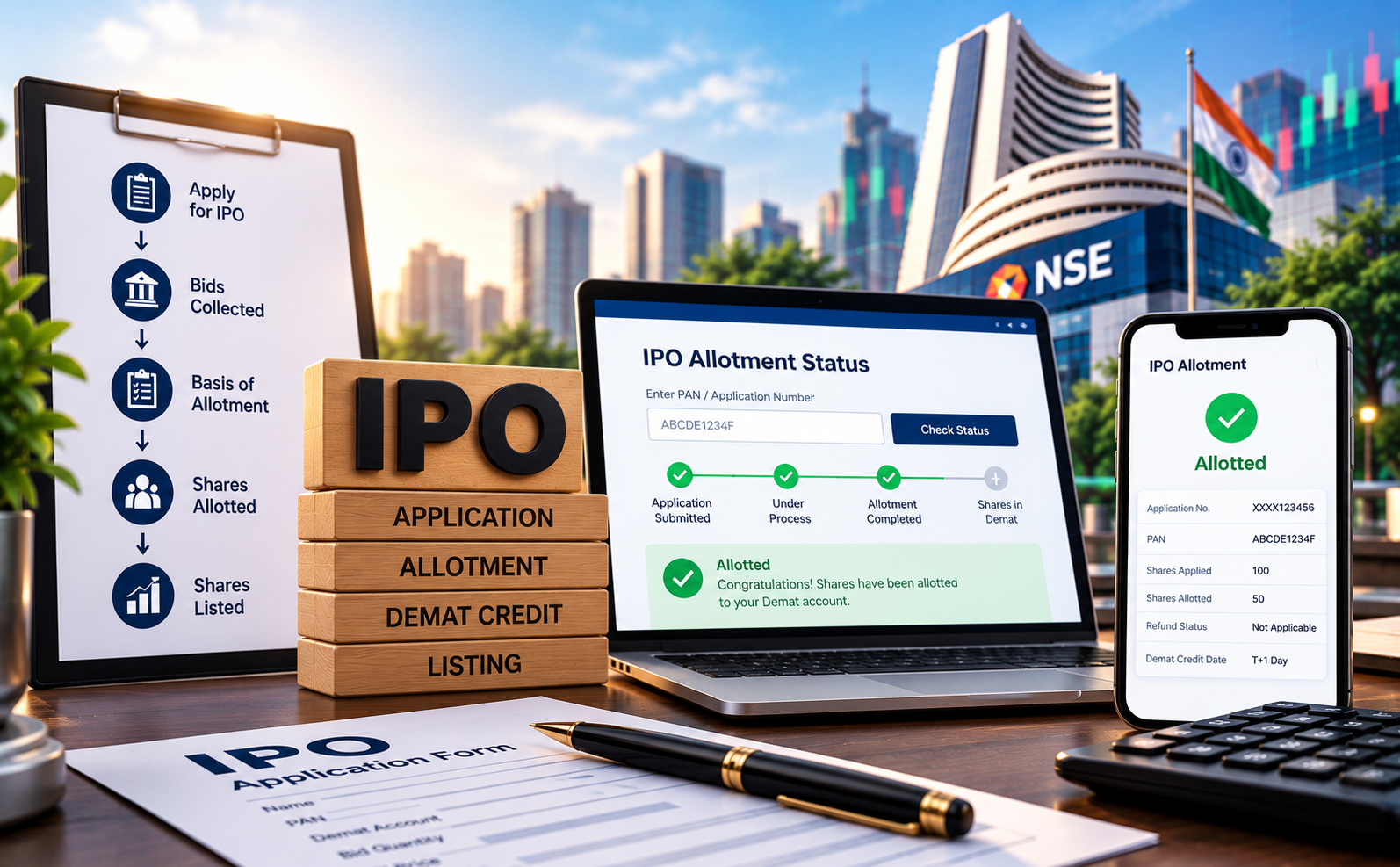
Learn how IPO allotment works in India. This includes the rules for allotment, oversubscription, the method of allotment, share allocation, refunds, and how to check your IPO allotment status online.
IPO allotment is a key step in the initial public offering (IPO) process. After an IPO closes for subscription, the allotment process decides which applicants receive shares and how many shares they get. Investors applying for an IPO may receive a full allotment, a partial allotment, or no shares at all, depending on the share structure, investor category, demand, and relevant rules.
In India, the IPO allotment process follows specific regulations and procedures set for each public issue. Knowing how the allotment works can help investors track their applications, understand oversubscription numbers, and check their results once the allotment is finalized.
What Is IPO Allotment?
IPO allotment is the process of distributing shares to eligible applicants after the subscription period ends. When a company offers an IPO, it provides a certain number of shares to investors under defined conditions.
If applications are within the available shares, allotment is done according to the relevant rules. If demand exceeds the number of shares, the allocation follows the established category-wise distribution and regulatory requirements.
For example, if an IPO has limited shares for retail investors and receives applications from more investors than there are shares, not all applicants will receive shares. The final outcome depends on the method of allotment used.
How Does IPO Allotment Work in India?
The IPO allotment process typically includes several steps, starting from when the issue closes to when shares are credited to the accounts of successful applicants.
- IPO subscription closes: Investors can no longer submit new bids after the designated closing time.
- Application data is processed: Relevant intermediaries handle application and bidding details, including payment information.
- Subscription figures are reviewed: Demand is evaluated across different investor categories against the shares available.
- Basis of allotment is finalized: The company, registrar, and intermediaries complete the allotment based on the rules.
- Allotment status is published: When results are available, applicants can check if they were allotted shares.
- Shares are credited: Shares given to successful applicants are transferred to their demat accounts as per the issue timeline.
- Funds are released where applicable: For applicants who do not receive shares, any blocked funds are released or refunded based on the application method.
- Shares are listed: The company’s shares can be traded once they are officially listed on the stock exchange.
The specific timeline may vary for different IPOs, so investors should refer to the official schedule for the relevant dates.
What Is the Basis of Allotment in an IPO?
The basis of allotment explains how shares are distributed among applicants after an IPO closes. This is prepared according to regulations and the structure of the issue.
In an oversubscribed IPO, the process may involve determining how many eligible applicants can receive shares and applying the necessary allotment method. It is not simply based on the number of shares each applicant requests.
For retail applicants, the rules generally aim to maximize the number of eligible individual applicants receiving the minimum lot size, depending on available shares and other regulations. If demand is too high, a lottery or draw may be used to allocate shares.
Investors should read the published basis of allotment for each issue to fully understand the outcome.
How Does IPO Oversubscription Affect Allotment?
Oversubscription happens when the demand for shares in an IPO is greater than the number of shares available in a category. This is often reported as a multiple of shares offered.
For example, if 100,000 shares are available and 500,000 shares are requested, that category has a subscription of 5 times.
Oversubscription can make allotment competitive, but its impact depends on the investor category and the rules for allotment. Just because an IPO is highly subscribed does not mean every applicant will get shares.
Investors can track demand using the IPO subscription tracking page. It’s important to check subscription data in context with its reporting time and category.
IPO Allotment Rules for Different Investor Categories
Public issues may set aside portions for various investor categories. The allocation and allotment procedures depend on the type of issue and current regulations.
1. Retail Individual Investors
Retail individual investors apply within specific limits and conditions. In an oversubscribed retail category, the allotment may follow certain methods, meaning some valid applicants might not receive shares.
2. Non-Institutional Investors (NII)
This category typically includes eligible applicants who are not classified as qualified institutional buyers or retail individual investors, including high-net-worth individuals. Allotment depends on the issue structure and regulations.
3. Qualified Institutional Buyers (QIBs)
QIBs are recognized institutional investors under regulatory guidelines. The allocation for this category has specific requirements, and allotment follows the relevant rules.
4. Shareholders and Other Reserved Categories
Some IPOs may set aside shares for eligible shareholders or other specific categories based on the issue documents. Investors should check these documents to see if they qualify for any reserved shares.
How to Check IPO Allotment Status Online
After the allotment basis is finalized and the results are published, investors can check their IPO allotment status through the relevant registrar or exchange platform. An IPO tracking site can also help find the correct resources.
- Open the allotment status service: Go to the official website of the registrar or the exchange associated with the IPO.
- Select the IPO: Choose the company or public issue from the given list.
- Enter the required information: You may need to input your PAN, application number, demat account details, or another identifier.
- Submit the information: Follow instructions on the official status-checking page.
- Review the result: Check if shares have been allotted and the number of shares if shown.
Additionally, you can visit the IPO allotment status page on IPO Trend for tracking information. The availability of results depends on the publication schedule.
For security, use official websites and never share banking passwords, UPI PINs, or one-time passwords with anyone claiming to assist with checking allotment results.
What Happens If You Do Not Get IPO Allotment?
If an applicant does not receive shares, the application amount is usually unblocked or refunded as per the payment method and issue process. For ASBA and UPI applications, the handling of blocked funds might differ since the amount is generally held and not transferred before allotment.
Applicants should check their bank or payment app for the status of the mandate or blocked amount. If funds remain blocked longer than expected, they should reach out to their bank, broker, or intermediary through official support channels.
Not receiving an allotment does not mean the application was invalid. In an oversubscribed issue, valid applications may not receive shares due to the allotment process.
When Are IPO Shares Credited to a Demat Account?
Shares are typically credited to successful applicants' demat accounts according to the announced schedule and procedures for the IPO. The allotment results and the transfer to demat accounts might happen at different times due to processing and update activities.
Investors should ensure their demat account details were entered accurately and check the official issue timeline. If shares do not appear as expected, they can contact the registrar, broker, or depository participant for help.
Can You Sell IPO Shares Immediately After Allotment?
IPO shares can typically be traded once the stock exchange listing is live. Receiving shares does not mean they can be sold immediately; investors must comply with exchange and depository protocols.
After listing, the market value may be higher, equal to, or lower than the IPO price. Investors should understand that listing gains are not guaranteed and selling carries market risks.
Common Reasons IPO Allotment May Not Be Received
- Oversubscription: Demand for shares exceeds the allocation available in the relevant category.
- Invalid application details: Information may be incorrect or inconsistent with required records.
- Payment or mandate issues: The necessary ASBA or UPI mandate may not have been successfully completed.
- Duplicate or ineligible applications: Applications that do not meet requirements may be rejected.
- Category or eligibility mismatch: An application may not meet the requirements for the selected category.
- Processing or data delays: Status information may not show up immediately as the relevant intermediaries update their systems.
These are possible reasons, not an exhaustive list. If an application appears unsuccessful or unclear, the applicant should verify the outcome with the official registrar or appropriate intermediary.
Frequently Asked Questions About IPO Allotment
How many days does IPO allotment take?
The timeline varies based on the issue schedule and procedures. Investors should check the IPO's announced allotment date for updates.
Does applying for more lots guarantee IPO allotment?
No. Applying for more lots does not guarantee shares. The outcome depends on investor category, available shares, demand, and allotment rules.
Can I check IPO allotment status using PAN?
Many registrar services allow a PAN-based status check, but methods may vary. Use the options shown on the official IPO website.
What does “not allotted” mean?
This means no shares were allotted to the applicant for that issue. The applicant should verify the official results and ensure any blocked funds are released.
Does high IPO subscription guarantee listing gains?
No. While high subscription indicates strong demand, it does not guarantee the stock will list at a premium or ensure future returns.
Where can I find IPO subscription and allotment information?
Review subscription data on the IPO subscription page and allotment information on the IPO allotment status tracker. Confirm important details with official sources.
Conclusion
IPO allotment explains how shares are distributed among eligible applicants after a public issue closes. This process involves application handling, category allocation, finalizing the basis of allotment, publishing results, and crediting shares to successful applicants.
Investors can better understand their allotment results by checking the official schedule, reviewing category-specific subscription figures, and using authorized status-check services. Oversubscription does not mean a guarantee of allotment, and receiving shares does not ensure gains upon listing.
Disclaimer: This article is for educational purposes only and should not be considered investment advice. Allotment procedures and regulations may change. Investors should consult the latest official documents from the registrar, stock exchange, and the Securities and Exchange Board of India (SEBI) before making investment decisions.
Source Information
Originally published on major financial portals.